
Today we delve into the many against the one, the team-up and the takedown, the GM sending his level one players against a red dragon. Err, wait, perhaps not that last one. We’re talking board games here, not RPGs, though the concept in this piece is similar: one vs. many, the opposed cooperative games gracing our shelves.
The asymmetric conflict on offer here is boundlessly creative, offering ways to equalize experience between new and veteran gamers or create a tense atmosphere worthy of a thriller film. Sometimes, this arrangement occurs naturally (see countless war games set in Napoleon’s era) thanks to the game’s setting, other times it’s molded from clay into an intricate, devilish dance in an original world.
If you have a good gaming group (by their nature, these games don’t function well solitaire), exploring this genre can lead to some amazing nights. Triumphing over another player, or players, rather than AI is always sweet, and the stories told at these tables often live on in game night lore.
One vs. Many War Games
It might seem odd to start with war games, so often two-player or multiplayer mix-ups, but this is a fertile field for one vs many games. Many WW2 classics, like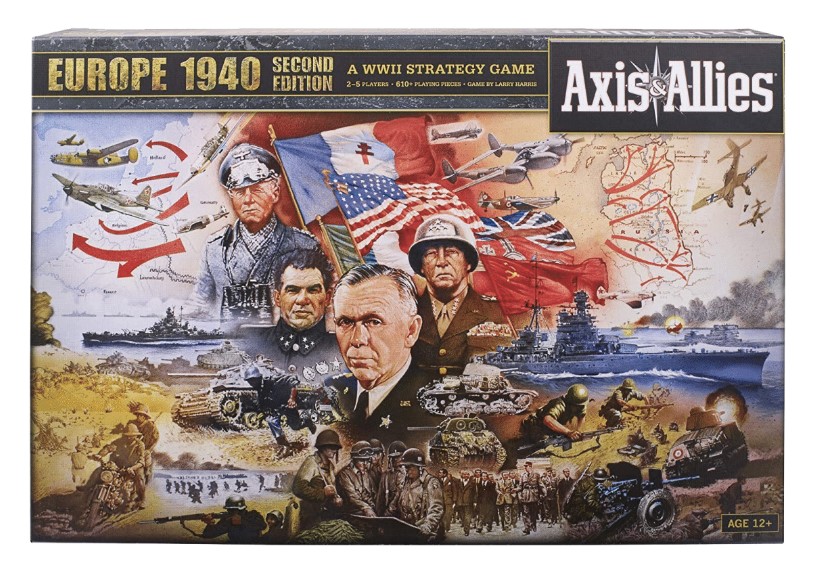 Axis and Allies: Europe, put the Germany player against all others (okay, Italy exists, but…). A&A, while often derided as a dice-chucker, has more options to it as you’d think, from strategic bombing to technology research, and the German player must use their immense starting resources to take advantage of them all. Yes, you might roll D6s by the bucket-load, but when they’re in service of Operation Sea Lion, that’s an exciting toss.
Even the lighter Quartermaster General games hinge their WW1 and WW2 editions on the German player (yes, they have allies, but Germany must play well for the Axis to have a chance in either title). For the former situation, it can be exhilarating to be the German player, to have all the tools and understand that only your clever play (how many status cards are worth popping?) will bring about victory. On the other side, similarly, landing the punch that breaks down the Axis wall prompts the high-fives, the clinking glasses, and the feel of living out history.
Dipping away from the world wars brings you to Friedrich and, to a lesser degree, Maria and many COIN titles. While the smaller sides here are all somewhat at odds with each other, you’ll need to work together to take down the big boss or a group loss is guaranteed. The sidelong glances at your purported pals as you throw troops or territory out there as bait, hoping they’ll fulfill their end of the bargain is delicious gaming territory. Friendships are forged and ruined over these, but in a different fashion than the knives-out worlds of Border Reivers and Baltic Empires, where all players start on somewhat even footing. If you like blurred lines in your war gaming, these are all excellent choices.
One vs. Many Dungeon Crawls
For all the myriad dungeon crawls out there, from Warhammer Quest to Drunagor to Sword and Sorcery, there have been no “AI” opponents that can readily match a 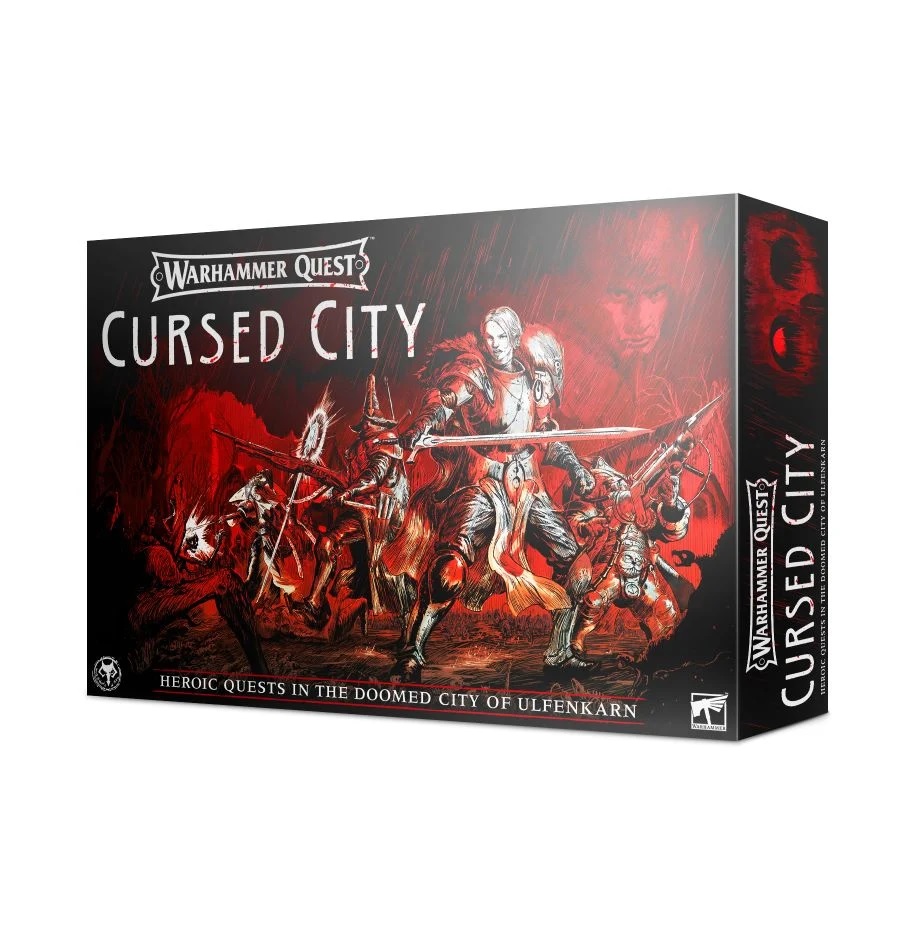 human mastermind. Goblins following the actions on a card might be threatening as they move and slash, but savvy players will quickly game those actions and turn their foes into bumbling buffoons. Some games, like Gloomhaven, fully expect you to do this – guiding enemies right into traps or lining them up like bowling pins to fireball them to bits.
Put a player on the other side, though, and your encounters get a real edge. Earlier games like HeroQuest and Descent from Fantasy Flight’s awesome early aughts run gave the ‘Overlord’ player all sorts of nasty tricks to pull on the heroes. Spells, traps, summons, including brutal charms all made the player power fantasy suddenly seem vulnerable, and victory came with a true sense of triumph. These opposed options find homes in heavier games like Dungeon Universalis, where both sides pack much greater power and opportunities (at the cost of rules and play time – Universalis is a game that will devour months, if not years).
Yet I’d suggest if you have a favorite dungeon crawl that you can, with some ease, add in an overlord player. Just tossing the enemy action cards entirely might not work—it’s no fun if your enemies spam awesome abilities turn after turn—but having the player guide how the enemies use their actions makes a dramatic difference. No longer will mobs conga-line their way to hapless deaths. This is also an excellent way to add a player into your campaign game for a session or two (or join part way)- let them pull the nefarious strings to add spice to your campaign, and everyone can have a great time.
One vs. Many Superhero Games
Taking a sideways leap from dungeon crawls to the streets of Gotham, you’ll find a pair of excellent one vs. many options in IDW’s Batman: The Animated Series (out of print, sadly, so harder to acquire) and Monolith’s Batman: Gotham City Chronicles. The former puts the Caped Crusader and, especially with expansions, a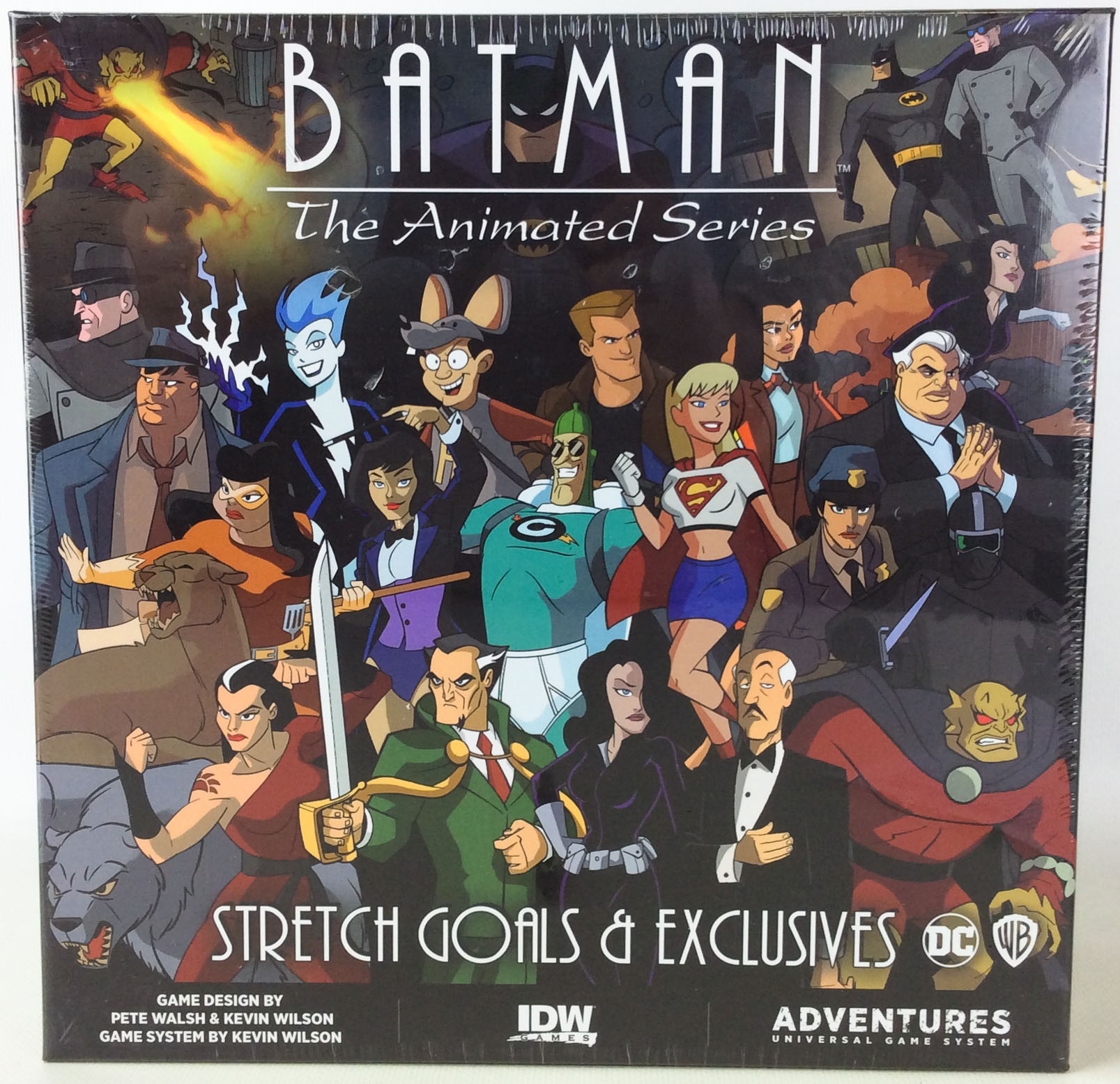 horde of allies against a similar horde of murderous foes. The wide terrain variety, abilities, and tactical options on offer here aren’t used to maximum effect by the AI, but put Joker or Mr. Freeze in the skilled hands of your buddy and watch them push Bats to the brink. A dice-chucker with some neat ideas, Batman: TAS is a great entry point to this genre, as its theme and glorious nostalgia (particularly with painted minis) will bring anyone to the table.
Gotham City Chronicles is a heavier story, one with less emphasis on rolling dozens of dice than working together to accomplish the mission. You’ll need to use stealth, special abilities, and strategy to succeed, especially when up against a conniving opponent. That strategy part, deciding what heroes to bring to a mission and how to equip them, is key – hitting the right moment to pull out a bat-gadget you correctly thought to bring is sublime. This is, though, a big game with numerous pieces and rules. An Epic experience, yes, but you won’t spontaneously pull it off the shelf.
As an aside, both of these games use one vs. many systems evolved from earlier titles. In IDW’s case, the similarly out of print Ninja Turtles series can be played (and even combined, for the dreaded Batman – Donatello team-up) opposed. In Monolith’s case, Conan provides the first incarnation of GCC’s mechanics, and if you prefer a sword-and-sorcery setting, I’d highly recommend it. For all of these, expansions really up the replay value, adding characters, missions, campaign options, and more.
One vs. Many Horror Games
Yet, if there’s one genre that defines the one-vs-many mechanic, it’s horror. Classics like Betrayal at House on the Hill and Fury of Dracula set standards for traitor and 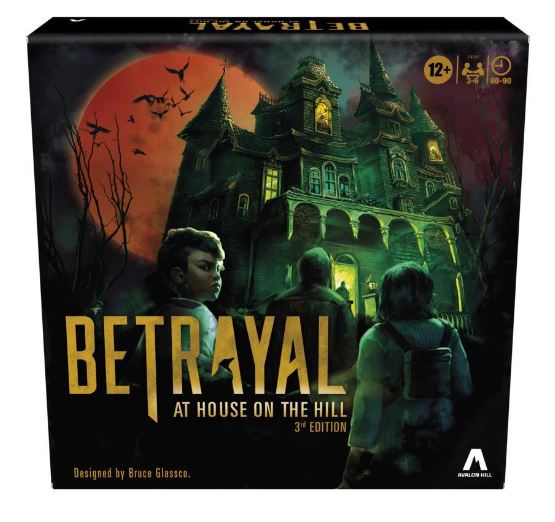 hidden movement games that have been refined into a spooky surfeit. Licensed games have picked up the recent charge, putting forth quality takes on great horror movies and video games – Jaws, The Texas Chainsaw Massacre, and Dead by Daylight to name a few. All of these pit the group of players against the monstrous menace, asking for action efficiency, stealth, and good teamwork to survive.
This year’s seeing a sequel to 2023’s excellent Terrorscape, which takes that killer-hunting-survivors formula and revels in it. With a literal model of a haunted mansion dividing up the groups and hiding their actions, the tension is immaculate. You might need to find that key to unlock the way out, but is the demon waiting in the hallway? Can you afford, with rising fear ticking your clock towards your doom, to take the long way around? But this tension cuts both ways – as the killer, you have to judge whether that run down the hallway is too obvious, whether you’re better off going for that lone survivor that might pull you out of position. It’s cat, mouse, and monster all in under an hour, which makes it easy to swap sides.
Terrorscape isn’t the only one-vs-many seeing a sequel in the near future. Beast, the monster against its hunters hidden movement and hand management combo pack recently crowdfunded its next edition, while Sniper Elite, a superb duel with death as the players frantically try to find the hero that’s knocking them out one by one, is getting an expansion in Operation: Kraken. And Not Alone, a fascinating one-vs-many card game where the ‘hunted’ players are trying to survive long enough to be rescued from an alien world, sees its remastered edition arrive this year too.
All this to say, one-vs-many is both unique and thriving. Whether you’re a parent looking for a chance to crush your kids on the tabletop, a host wanting to remind her friends just who runs game night, or, well, an insidious killer wanting to lure your hapless victims in with a great game… one-vs-many is worth the adventure.


