
Sometimes, as the recent Game of Thrones spinoff A Knight of the Seven Kingdoms demonstrated, all you want is a good adventure. The tabletop world has been a home for such things for decades, often in the form of pen-and-paper RPGs (which abound, and remain excellent even for solitaire play). Their cardboard comrades have been catching up, though, and today we’re taking a look at several recent titles ready to get your epic adventure going.
While most of these are large games, they’ll pay back their size with entertainment. Like a monster war game, there’s a core advantage here: one set of rules to learn for weeks or months of engaging, entertaining play with friends, family, or yourself. So read on and discover where imagination (and a good set of dice) can take you.
A Viking’s Tale
Ah, Thorgal. You might not know this viking (or his wife and son, and Kriss, another warrior, who make up your party) yet, but as this storybook adventure game 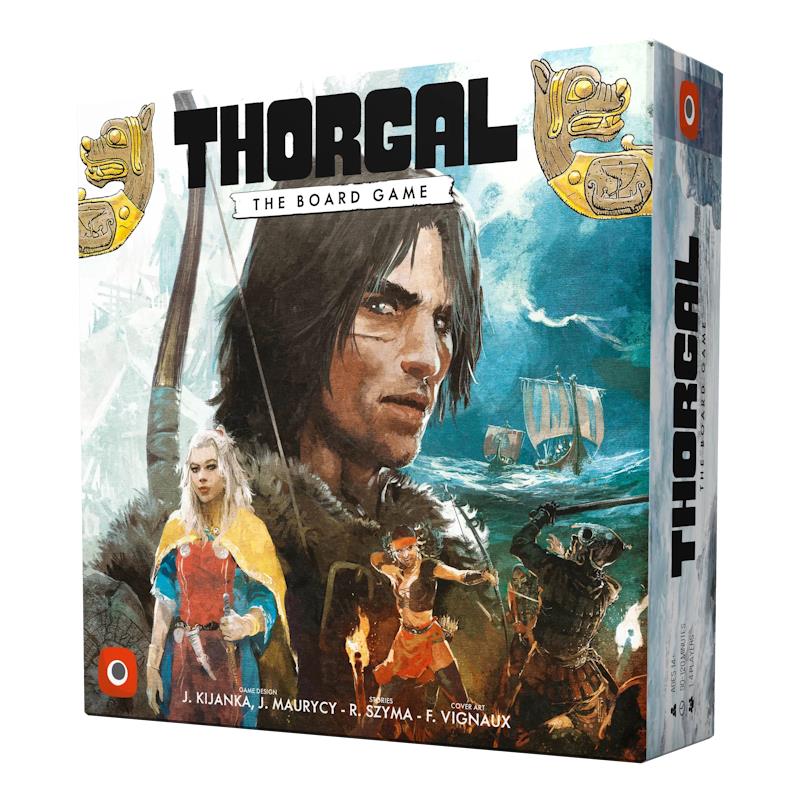 draws you in, you’ll get close. Thorgal: The Adventure Game is at once approachable and beautiful, with popping illustrations enticing components designed to ease play. As you embark on your narrative, you’ll spread out the dual-layered character boards and the central storybook, whose pages serve as maps and set dressing, skipping the tile mounds and setup nightmares plaguing so many of these games. Gloomhaven: Jaws of the Lion and Sleeping Gods offered the standard for this sort of thing, and I’m thrilled to see it permeating the hobby – more time playing is always better.
Anyway, playing in Thorgal is unique. You’re not simply rolling dice for skill checks along your merry way, but instead engaging in polynomial puzzles. Combining, say, Blokus with Warhammer Quest (albeit without that game’s miniatures focus). You’ll throw a dice showing a polynomial block and have to slot that into your player board to take particular actions, paying attention to sequencing, as what other players do can influence the power of your own choices. That little nudge provides just enough direct player interaction to keep everyone involved outside the narrative bits.
Thorgal also stands apart in that it’s not a campaign. There’s 7 scenarios in the box, each with randomized elements for replays and taking a couple hours apiece. It’s an ideal option for a weeknight adventure, when your group’s feeling something cooperative and story-focused but not, say, wanting to sign up for a months-long saga. All told, if you’re taking early steps into this genre and want a good quest without all the extra fluff, Thorgal’s a great place to get your adventure going.
A Tactical Adventure in Chernobyl
Who among us hasn’t put on a mask, grabbed a gun, and gone out into the irradiated wilderness to find scrap and fend off mutants? What, that’s just me? Well, if you’re not feeling a real radioactive survival situation, then S.T.A.L.K.E.R.: The Board Game, is the next best thing. Based off the video game, this fully cooperative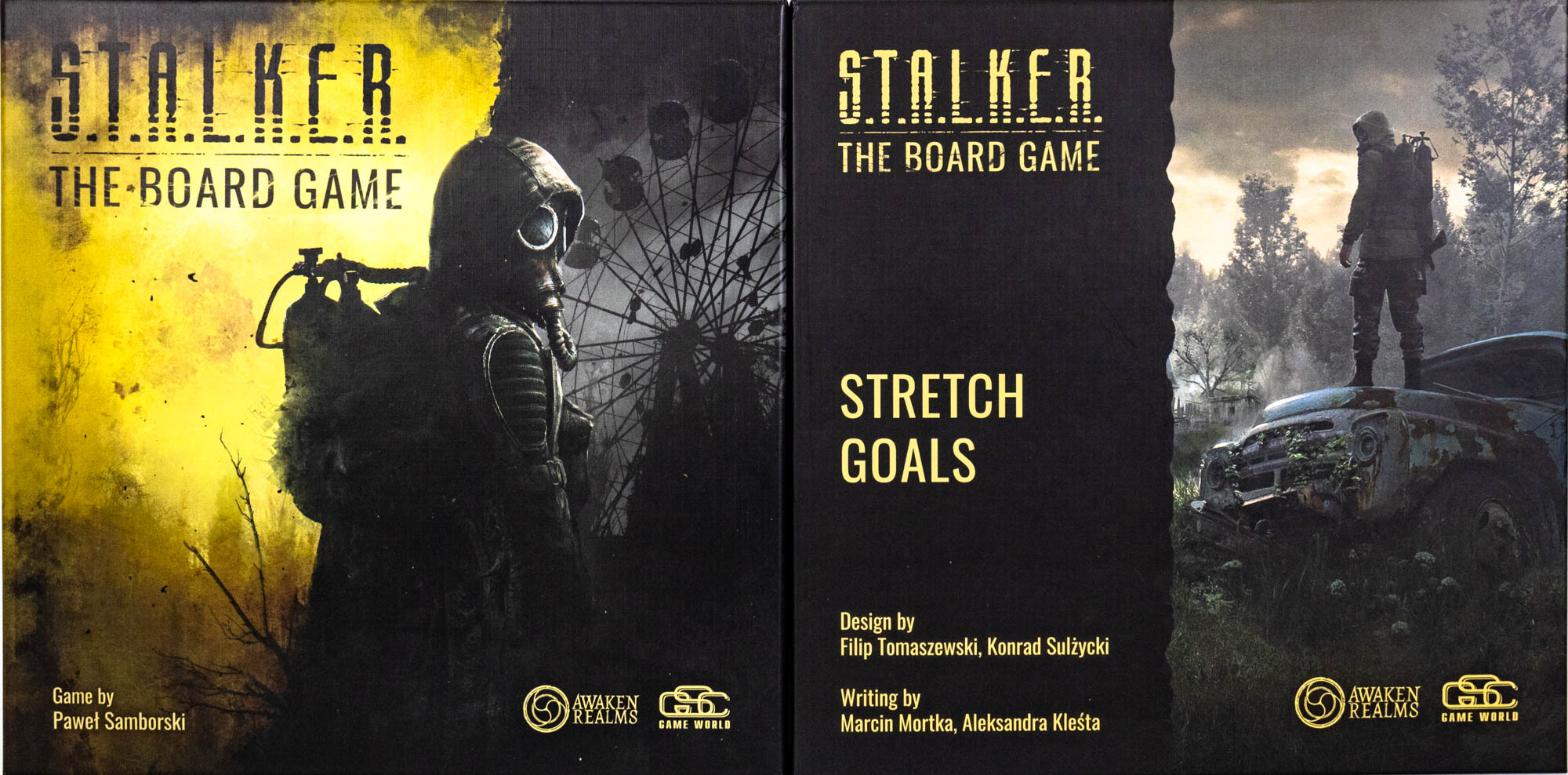 tactical narrative (it has all the keywords) adventure does justice to its source material. Every mission here is several tense hours spent chasing items, achieving objectives, and, when necessary, blasting away nefarious mutants, bandits, and other adversaries. S.T.A.L.K.E.R. isn’t Doom or Kill Team – you’ll want to be sneaky, choosing when to use your limited resources in a fight or slink by with a viable and fun stealth system.
By ‘viable’ and ‘fun’, I mean the monsters and enemy soldiers will hunt you down when you make noise. You are not safe in STALKER.
Then again, neither is the enemy. Tactical combat brings dice rolling attacks, loads of gear, enemy types, and a whole snarl of other considerations. I’d actually recommend S.T.A.L.K.E.R. to fans of skirmish miniatures games because of those similarities – in other words, if you’ve been playing Infinity or Shatterpoint and want a cooperative game in a similar mold (albeit lacking Jedi), then S.T.A.L.K.E.R. would be a good fit. There’s depth here, enough to say S.T.A.L.K.E.R. is aimed at experienced board gamers.
After all, this is an Awaken Realms production. S.T.A.L.K.E.R. is big, with many expansions on offer. If a complete collection is too much to swallow, know that the base game has content aplenty, and from there you can pick what appeals most (extra characters and missions are always nice, while the 3D terrain adds immersion at the cost of setup time). Everything is high quality and pops on the table. If you’re a fan of the source material, or near-future tactical games, S.T.A.L.K.E.R. can be a flagship title in your collection.
Dante’s Divine Boss Battler
Obviously, after S.T.A.L.K.E.R., the next game has to be Dante: Inferno. Angels, demons, circles of Hell, what’s not to love?
Dante shifts a bit from the pure adventure mold towards boss battling, that cooperative genre that pits you and your pals against a hideous creature in a battle to the death. Like others in its class, Dante offers a 9 chapter narrative campaign (albeit less built on choice than specific character stories) that takes you through the various circles of Hell. For each, you’ll follow Dante himself through to a grand confrontation, where you’ll set up an arena with terrain and all sorts of shenanigans, then do battle. So far, so familiar.
Every boss battler, from Oathsworn to Townsfolk Tussle to Aeon Trespass: Odyssey makes its mark in the arena, and Dante is no different. Here your champions will use cards to drive their actions, often relying on special abilities and unique interactions. For example, you might climb terrain to get a better shot at a boss, or jump into a supporting role to inspire your allies so their next attacks deal that juicy critical damage. This sort of stuff isn’t unique to Dante, but it’s well executed here, married to a strong theme and sense of place. What’s more, Dante leverages the companion system seen in Oathsworn so you can play solo or with less than four and still have a full cast of heroes to use, albeit with fewer faff to manage.
If 9 chapters seems low for a game that comes in gigantic boxes, know that there’s a wide selection of heroes to choose from, and each have a selection of upgrades that allows you to explore different builds. If you’re starting with the base box, you can acquire expansions as you’re ready, making Dante as large (or as approachable) as you’d prefer. At the end, though, it’s about the battles, digging into their tactical teeth, and emerging from the other side with a wild story to tell.
A Fantasy Melting Pot Goes Big
S.T.A.L.K.E.R and Dante are combat-driven experiences, where enemies make things happen. Malhya: Lands of Legend swerves more in Thorgal’s direction, though 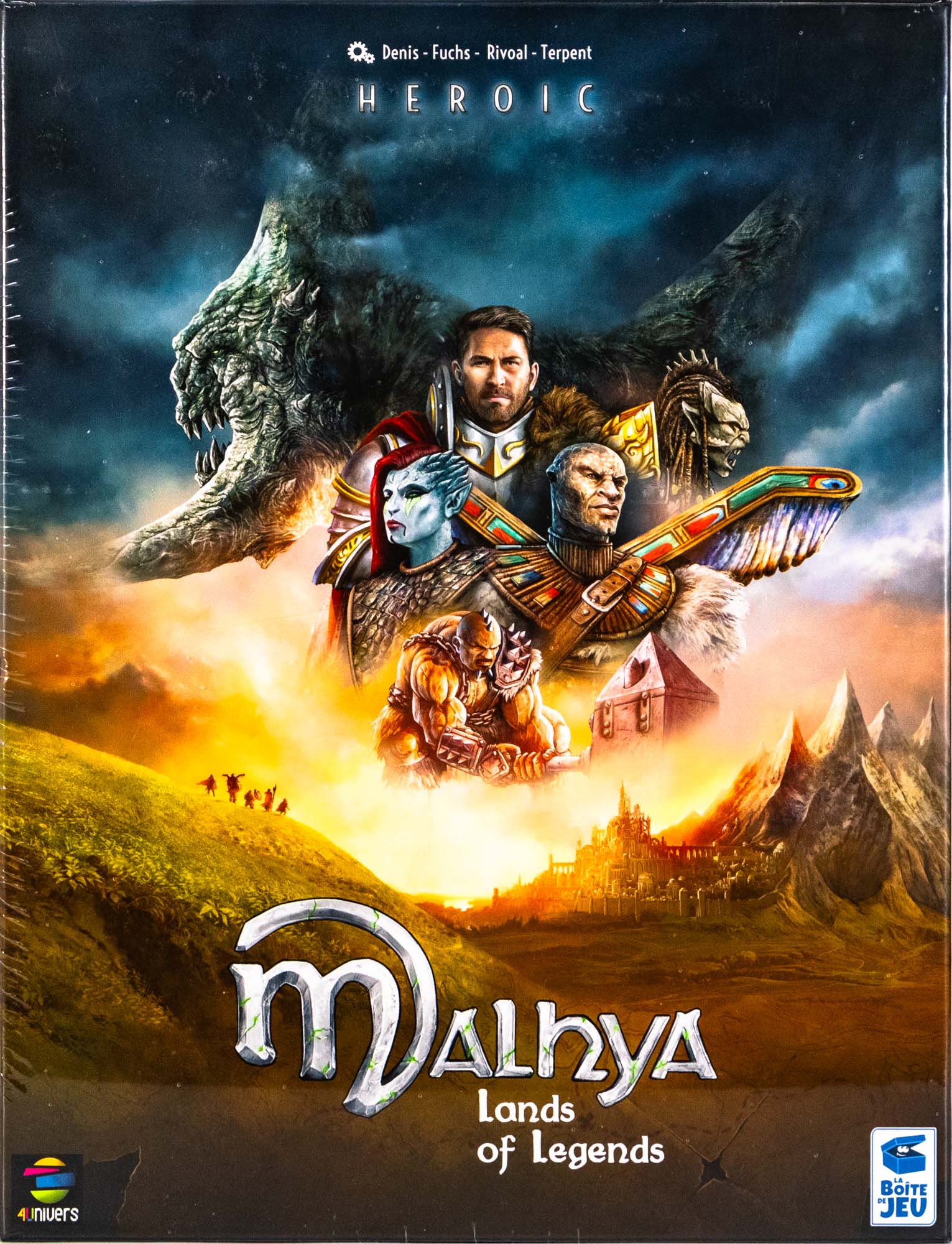 it’s a much larger game. Here we’re going on real adventures, solving puzzles, negotiating diplomatic conundrums, and, yes, bonking fantastical enemies on the noggin. That last bit is fine here, but Malhya shines most elsewhere, when you’re turning the next page of your exploration book to see what strange challenge you’ll have to conquer next. Varied heroes, dice-driven checks and combat, and a unique setting make for a tasty cocktail of fresh and familiar.
With excellent fantasy artwork, Malhya is closest to that Dunk and Egg feel of wandering about a land in search of adventure. You’ll begin as a true zero, likely to get annihilated. The fail-forward system, though, keeps this from being a frustrating affair, instead serving as a lesson learned, a preview of a challenge to come back and conquer later. That you will, buffed with new abilities, gear, and wisdom, is a sure thing.
Like the other games in this piece, Malhya is a crowd-funded venture, big and thrilling, and prone to its own idiosyncrasies (dodge dice, for one) that demand a degree of open-mindedness, or at least a willingness to laugh at absurd situations. There is much adventure and joy to be had here, and Malhya shows its designer’s enthusiasm for what will hopefully be a long line of games to come.
Mage Knight’s Apocalypse Dragon Nears
Lastly, a word about Mage Knight’s Apocalypse Dragon expansion. We’ve talked about Mage Knight before, and it remains a stellar choice for solo (or two-player)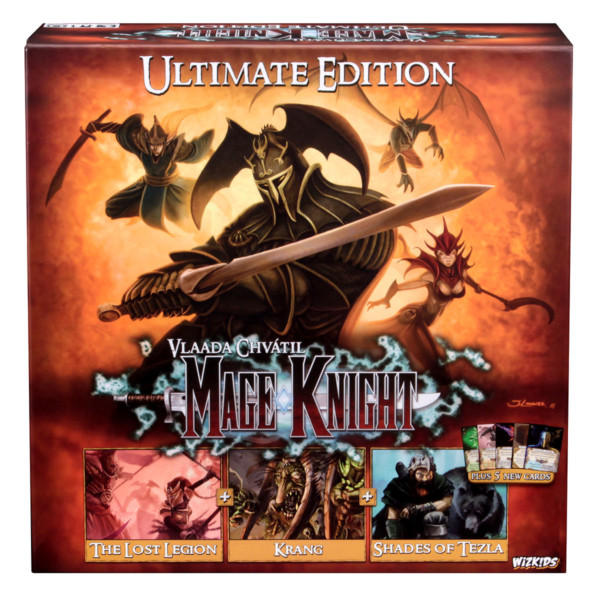 adventure gaming, particularly for those who like a puzzle element to their games. Apocalypse Dragon adds a new hero, monsters, and more things that you’d expect in an expansion like this. The real meat, though, comes with a narrative campaign (and, by extension, rules to create more). This campaign can be played solo, cooperatively, or competitively (!).
When you tell me there’s an adventure to be had, and I can play it while attempting to beat an opponent at the same time? That, friends, is a fine wine indeed. If you have Mage Knight and even a passing interest in campaign play, I’d be snagging it today.
With a little effort, you might have a run-through done before A Knight of the Seven Kingdoms’s second season.


