
The hexes array before you, speckled with colorful counters. No mere chits, these are your soldiers ready for battle, and you must direct them across a clean board. The action is clear, the strategy and tactics unburdened by obtuse rules. This is a game made for stories, a clash of clever maneuvering and a dash of luck.
This is Worthington’s Hold the Line, a series for war gamers of all levels, designed to get you into meaty battles with an enviable purity. Read on to find your next great tactical war game, playable any night of the week with just about anyone.
How to Play Hold the Line
We start with a name. Hold the Line. Rather than just a simple title, Hold the Line is the ethos for the game’s design. Every scenario will have an attacker, who must 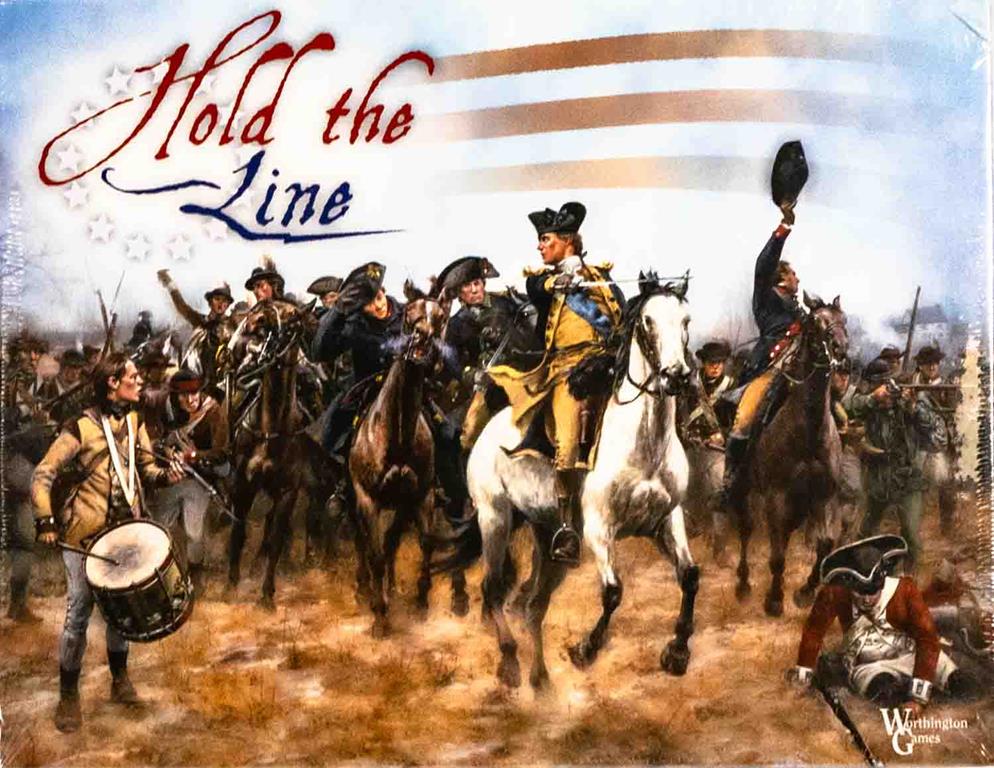 defeat enough units or reach enough objectives to score enough points to win. If they fail within the time limit, they lose. It’s a simple thing, but the dynamic shapes everything.
How fast can you afford to move, and what will you risk to take territory if you’re the attacker? You won’t be able to plug all the holes on defense, so where do you spend your precious points?
These questions and plenty more find themselves asked from the get-go as, like Memoir ‘44, Hold the Line drops its pieces onto a hex map at once constrained and dynamic. Units are rarely more than a few hexes away from one another, sparing you turns spent simply marching pieces into position. Neither is the board divvied up into sections like in Commands and Colors, the most similar system. There’s no card draw to bust your strategy here. Instead, all the action comes from points.
Every turn, players receive three points, followed by a dice roll that might give you a couple more. You’ll spend those points freely on your soldiers, letting them move or shoot (not both – a crunchy dilemma), charge for a melee assault, rally units, or use leader skills. Because you can activate whomever you want every round, the tactical options are much wider (and gives Hold the Line a slightly more complex ceiling than its brethren). At the same time, you’ll never have enough points to do everything.
Just try not to leave your soldiers alone.
See, Hold the Line uses morale, and troops left to fend for themselves are liable to break. That’s, uh, not great! Instead, you’ll want to keep your soldiers in formations, buttressed with leaders, and pick the right places and moments to advance. It’s both realistic and tense, a game within a game, one that breaks wide open when you punch a hole in the enemy’s line. Exposed sides and rear offer flanking opportunities, but if the defender can re-establish control, they could cut off an over-zealous charge and leave the fighters abandoned behind enemy lines. It’s a risk reward gambit made relevant by the pressure on the attacking player to win.
You’ll see that pressure play out fast, as most scenarios in Hold the Line games run between 1-2 hours, well within striking distance of weeknight play. Their setup time, done by plunking some artful counters and terrain hexes onto the big mounted map, is minimal. In other words, Hold the Line respects both its weight and your time, often a rarity in this day of huge boxes and zillions of pieces for even the lightest titles.
How to get Started with the Hold the Line Series
Over nearly two decades, Worthington’s used the sturdy bones of Hold the Line to do what more series should: experiment. Not only are there entries in all sorts of eras—our recent US 250th pieces could’ve included the original 2008 game—but they’ve done completely different styles as well.
Take 2019’s Hold the Line: The American Civil War. This version holds many of the same ideas, but turns the counters into blocks, adding an effective fog of war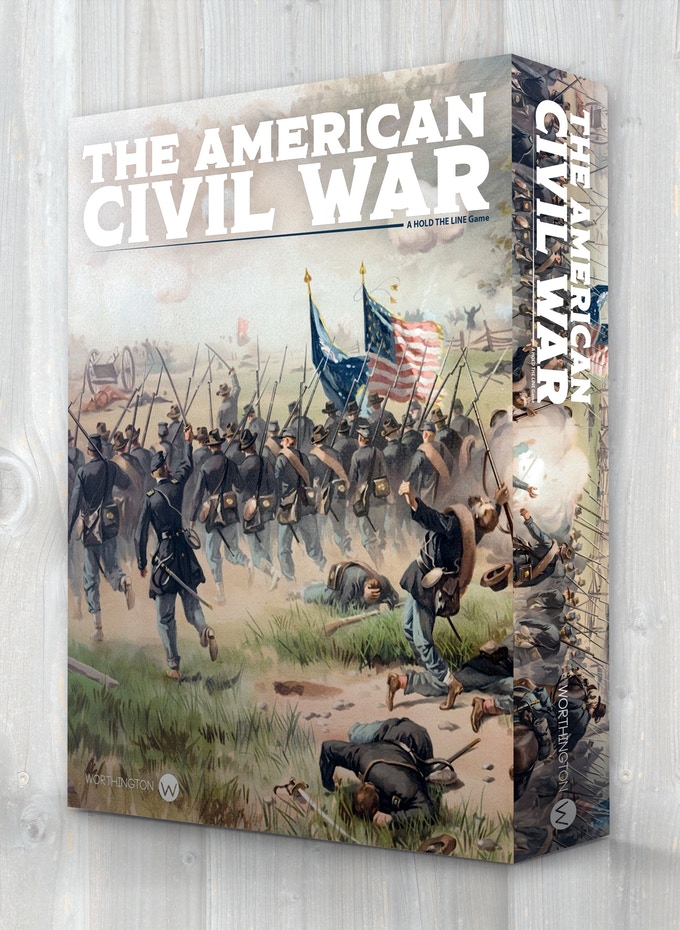 system atop what you already know. If you’ve a collection of other block war games, this one is an ideal entry point to the system (a much easier jump-in than ‘lighter’ classics like Julius Caesar or Hammer of the Scots) that you can use to teach new players.
If you prefer Napoleon’s era, Worthington forked Hold the Line into Napoleon’s War, a side series that has plastic miniatures—can you ever have enough plastic cannons about the house? I think not.—and a bevy of custom map boards for famous battles. You’ll use the same command points here. I’d argue it’s substantially lighter than Napoleonics, ready to crack open that door into war gaming.
Or scoot the timeline a bit earlier with Hold the Line: Frederick’s War, which takes all those battles you’ve been waging in Maria and puts them into hex-and-counter form. The particular combatants here, Prussia and Austria, provide asymmetric entertainment, with Prussia’s initial strength requiring dancing from Austria to survive. Later scenarios mix this up a bit, as do optional advanced rules that accentuate each side’s respective talents. Cavalry, infantry, cannon – it’s all the classics in a conflict less explored at the tactical level.
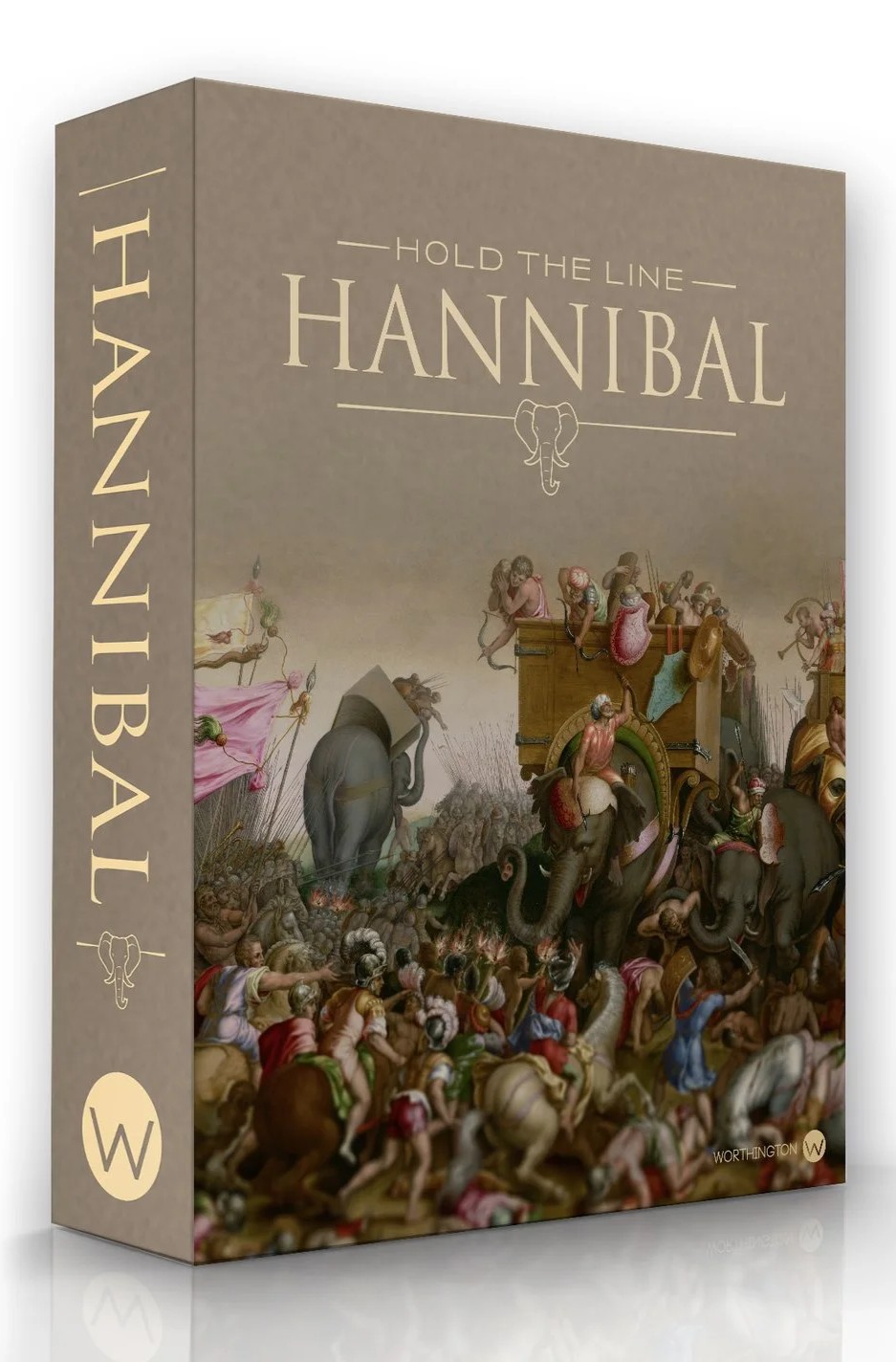 In 2025, Hold the Line: Hannibal brought the system to the Ancients era with a crisp production that, yes, includes elephants. It also added facing rules and a chit-pull activation method (coupled with the points system), making Hannibal the most solitaire-friendly of the bunch. Worthington’s continued commitment to quality production is here too, with chunky cardboard, illustrated counters, and custom dice that serve to smooth out rules-load by baking differing unit abilities into the dice themselves.
All this variety means jumping into the Hold the Line system lets you follow the tried-and-true path to war gaming success: picking a game in a theater that interests you. Note, too, that most Hold the Line core games have expansions that broaden their theaters – we’re talking French and Indian War with the core game, the Jacobite Rebellion with Frederick’s War, and so on.
Other Great Introductions to War Gaming
Normally, I’d trot out the Memoir ‘44 / Commands and Colors system as a great light war game alternative to Hold the Line, but you already know that. So let’s zig instead of doing the common zag.
First, Guerre Eclaire. It’s not tactical like Hold the Line, but it holds a similar ethos: action, tight rules, and a definitive split between attack and defense. Taking place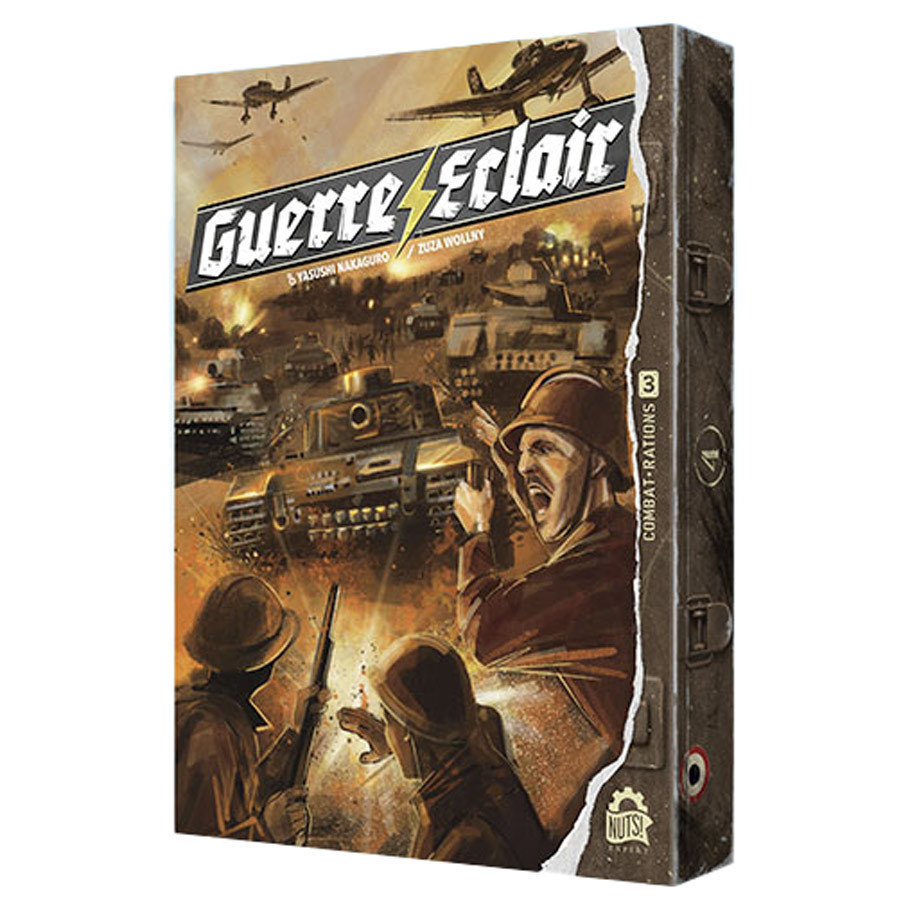 during the opening days of Germany’s WW2 invasion of France, Guerre Eclaire is a frantic CDG. Contained in its small box are a swath of neat touches that mimic history without bloating the game. The allied player doesn’t know Germany’s victory condition until later in the game (chosen from a narrowing pool). Fatigue, momentum, and supply are all present, with the former pair subtracting or adding actions, and supply doing what supply does – you won’t notice it when you have, but boy is it devastating when you don’t. All that gets support from a point-to-point map, full art cards, and components worthy of crowdfunding make the hour or so you’ll spend on every play here a delight.
Turning back to the US Civil War, Chancellorsville 1863 takes a tight focus on morale within its card-drawn activation system (this one comes complete with a solitaire option too). Like Hold the Line, keeping your units in good spirits is key, and leaders have a direct, big impact on the battle through once-per-game abilities. You’ll use formation cards to activate your units, with hidden tactics cards buffing them for major moves. Another crisp Worthington production, Chancellorsville won the 2020 Charles S. Roberts Award for Civil War games, as if you needed another reason to give this one a look.
Invasion 1066 is a pair of games that expand the map size on Hold the Line and turn the game a bit more in a classic hex-and-counter direction with a few key variations that make these two excellent step-ups after Hold the Line. First, archers have specific firing phases that make ranged lethality truly stand out. Second, putting a zone of control into a unit’s front two hexes and making everything else a flank, with a corresponding bonus to attacks from those sides, is so elegant and effective that it immediately increases the game’s tactical dynamism. Successfully flanking an enemy counter never felt so good.
The Invasion pair also serves as an introduction to a less-discussed, but critical element of war gaming, particularly on the lighter side. Ziplock games often fit right into the complexity zone we’re talking about here, and, without boxes, are cheaper and easy to store (or take on the road). Being open to the interesting, fun games on offer this way is a great chance to grow as a war gamer, and ensure that you have, say, a medieval battle in your bag at all times.
All in all, great entry points to war gaming have a few things in common: smooth rules, clear goals, and the opportunity to crush your enemy in an hour or less. Hold the Line and its brethren hit all marks, so get them to the table and watch your friends and family fall in love with this hobby.


